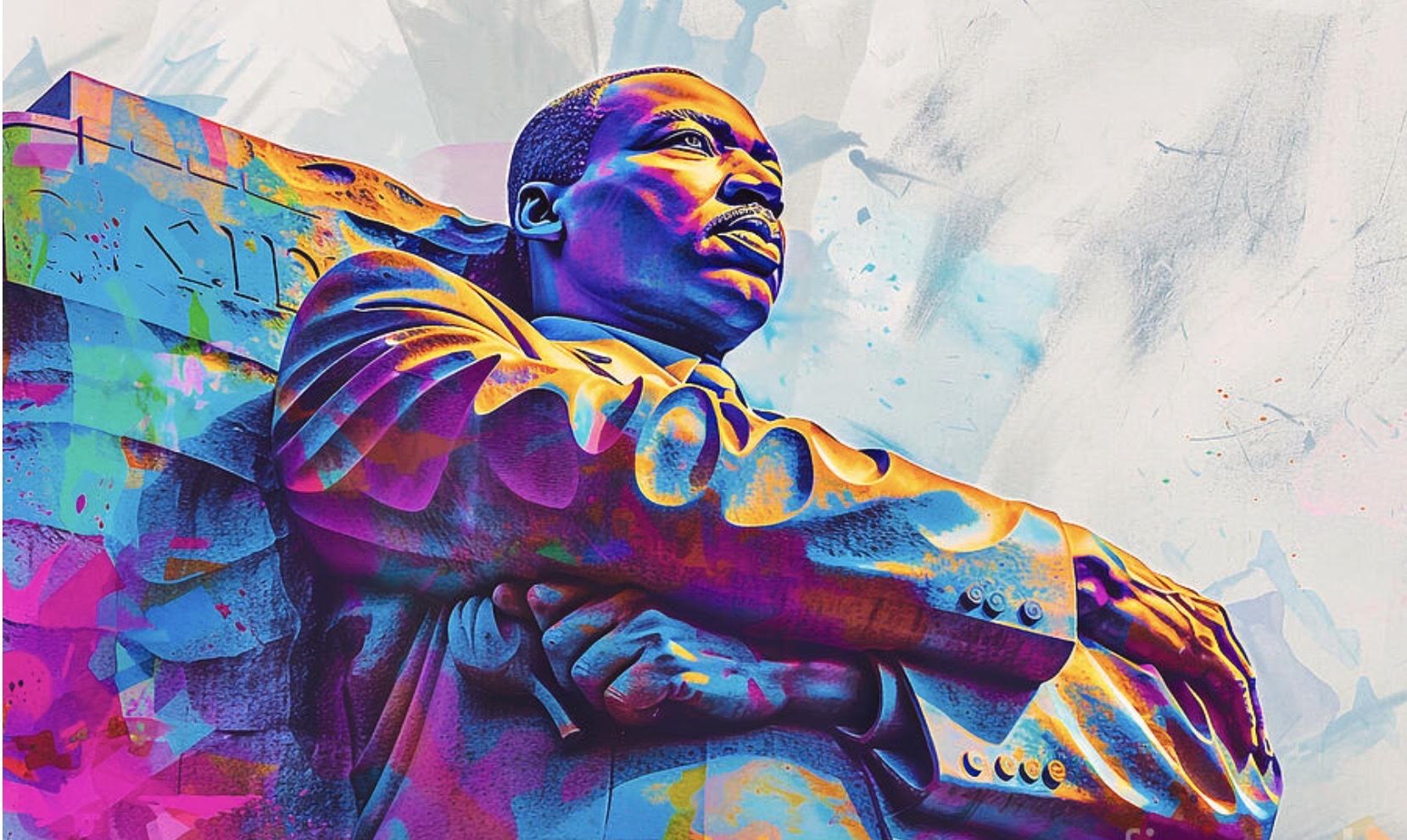
History tends to flatten men into symbols. Martin Luther King Jr. is often reduced to speeches and soundbites, stripped of the daily practices that allowed him to function at an elite level under constant threat, stress, and responsibility. He did not live in ideal conditions. He lived in turbulence. And yet, he executed a long-term vision with precision.
He did not leave behind a fitness plan or productivity framework. What he did leave behind was a pattern of behavior that made sustained performance possible. Five elements stand out - not as self-help clichés, but as operational necessities that allowed him to endure, lead, and execute.
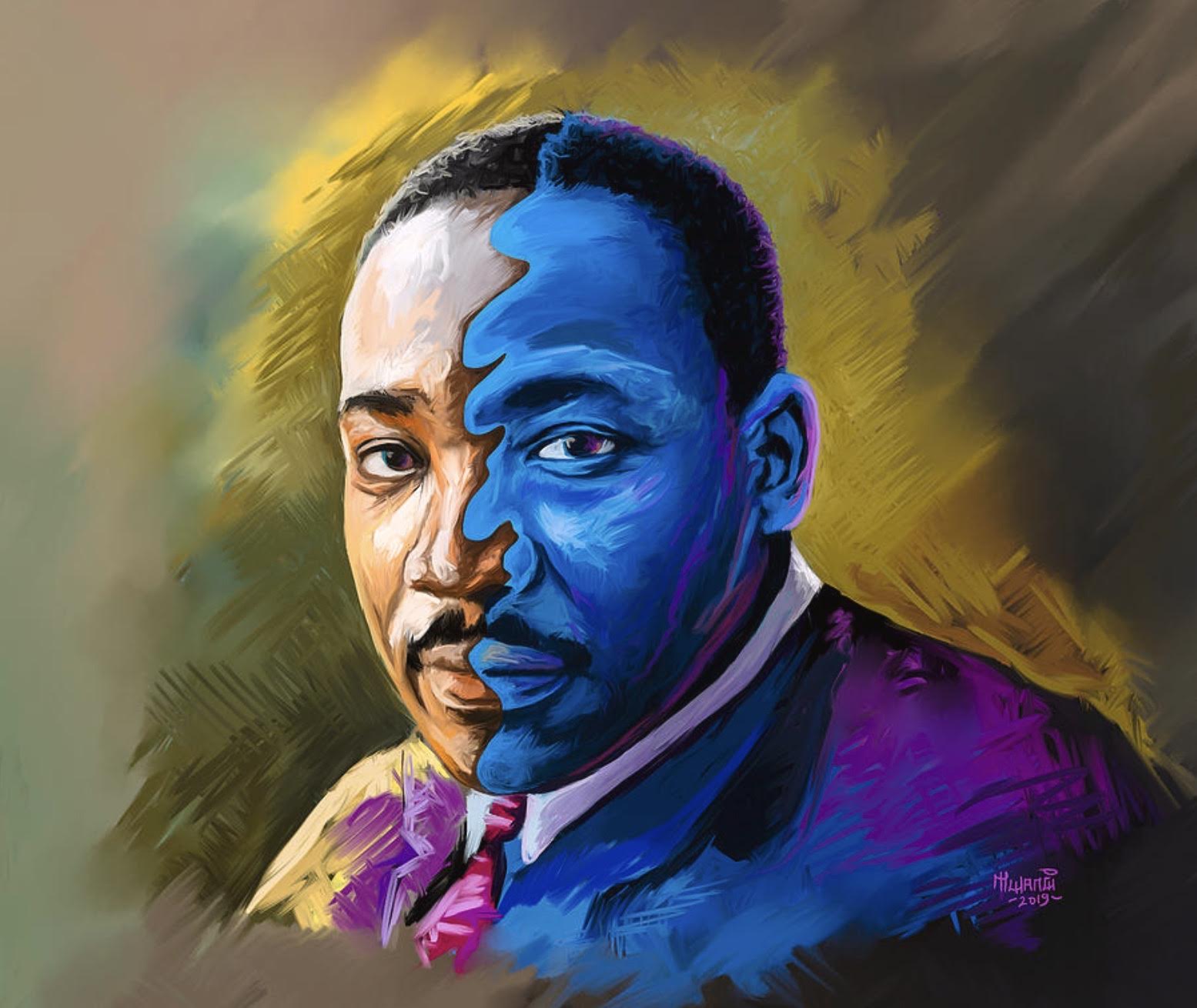
These same principles apply today.
1. Purpose Dictated His Habits
King did not organize his life around comfort or optimization. He organized it around mission. Everything - how he spent his time, how he conserved energy, how he showed up - was subordinated to a clear objective.
This matters because habits without purpose collapse under stress. King’s purpose acted as an anchor. When conditions were hostile, clarity replaced motivation. He didn’t need constant inspiration; he needed alignment.
Modern application:
If your health, training, or work habits are aesthetic or ego-driven, they will not survive pressure. When habits are attached to something larger - family, legacy, responsibility - they become durable. Purpose simplifies decisions. You stop negotiating with yourself.
2. Movement Was Embedded in the Work
King did not “work out” in the modern sense. He moved because the work demanded it. Marches, boycotts, walking instead of riding - movement was functional, repetitive, and unavoidable.
This kind of physical output built endurance, not just cardiovascularly, but psychologically. He trained his nervous system to tolerate discomfort without reaction. That capacity - remaining calm while physically taxed - was essential to nonviolent leadership.
Modern application:
You do not need novelty. You need consistency. Functional movement tied to daily life outperforms sporadic intensity. Walking, carrying, standing, enduring - these are not inferior to structured workouts. They are foundational. Movement supports mission when it is habitual, not performative.
3. Rest Was Strategic, Not Indulgent
King was under relentless demand. He slept when he could. He rested when possible. There is no evidence of reckless self-destruction through sleep deprivation. On the contrary, he understood that clarity, restraint, and judgment required recovery.
This is not romantic sacrifice. This is sustainability. A burned-out leader is a liability.
Modern application:
Sleep is not weakness. It is a force multiplier. If your goals require long-term execution, you cannot treat recovery as optional. Strategic rest allows you to respond instead of react. Endurance - mental and physical - depends on it.
4. Discipline Around Substances and Behavior
There is no credible evidence of King being a heavy drinker or engaging in destructive habits. As a public leader, he understood that reliability mattered. His capacity to lead depended on being clear, present, and dependable.
This was not moral posturing. It was operational discipline. When the stakes are high, volatility is unacceptable.
Modern application:
If your goals matter, your margin for error shrinks. Substances, excess, and impulsive behavior introduce noise into your system. Discipline is not denial - it is choosing predictability over chaos so you can execute when it counts.
5. Family as a Stabilizing Structure
Despite constant travel and threat, King maintained a structured family life with Coretta Scott King and their children. Family was not separate from his mission; it grounded it.
This matters because men without anchors drift. Family created emotional ballast. It reinforced responsibility beyond ego and public recognition.
Modern application:
Strong relational structures improve performance. Whether family, partnership, or close community, stability reduces internal friction. Health is not just physical capacity - it is emotional containment. Men who neglect this pay for it later in focus, resilience, and longevity.
The Throughline: Sustainability Wins
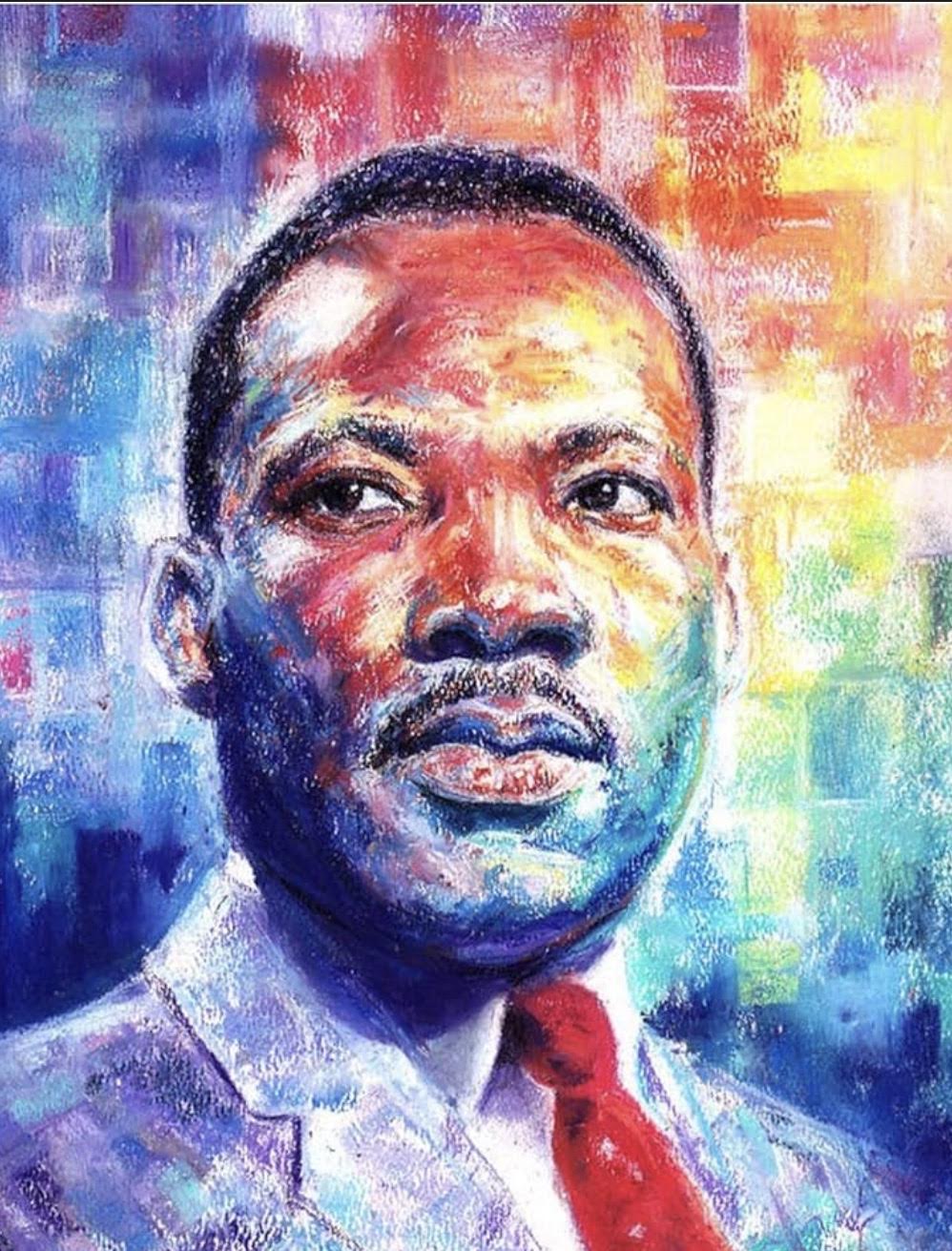
Martin Luther King Jr. did not win because he was the strongest, fastest, or most comfortable. He won because he was sustainable. His habits supported long-term output under extreme pressure.
That is the lesson.
Health is not about optimization trends. Fitness is not about aesthetics. Discipline is not about punishment. They are systems that allow you to stay in the fight long enough to matter.
If you want to accomplish meaningful goals in turbulent times, stop asking for motivation. Study the men who endured. Build habits that support your mission. Strip away what compromises clarity. Anchor yourself to people and purpose.
That is not self-help.
That is strategy.